Depave empowers disenfranchised communities to overcome social and environmental injustices and adapt to climate change through urban re-greening.

Frequently Asked Questions
-
Depave is a nonprofit organization based in Portland, Oregon that works with communities to remove unnecessary pavement and transform those areas into vibrant, livable greenspaces. Through this work, Depave helps address environmental injustice, combat urban heat and flooding, and support urban beauty and resiliency.
-
Our urban areas are over-paved. Excess pavement creates “heat islands,” increases stormwater runoff pollution, and disconnects people from nature. Removing impervious surfaces allows rainwater to soak into the ground, increases tree canopy and habitat, improves air quality, and cools neighborhoods — especially in underserved areas that historically have less access to greenspace.
-
Depave partners with local organizations, schools, churches, housing developments, and volunteers to plan and execute community depaving projects. These typically involve identifying over-paved sites, planning with stakeholders, organizing community events, and transforming former paved areas into gardens, play spaces, rain gardens, and green gathering places.
-
While Depave was founded in Portland, Oregon, and most of its work is concentrated in the Portland metro region, the organization also supports a broader Depave Network of groups across the US, Canada, and beyond that are trained to carry out similar projects.
-
Depave began in 2008 in Portland, Oregon. It grew out of a grassroots effort started by Arif Khan and Kasandra Griffin, who had removed pavement from their own properties and planted gardens — an experience that sparked the idea for community-scale depaving projects. They raised grant funds, helped others do it and created a guide. The first ‘public’ Depaving project in Portland was the Fargo Forest Garden created with volunteers from around the world who were gathered in Portland for the Towards Car-Free Communities Conference.
-
Yes! Depave works intentionally with communities — especially those most impacted by environmental injustice — to bring project ideas to life. We offer consulting, trainings, and resources to help groups plan and implement depaving efforts.
-
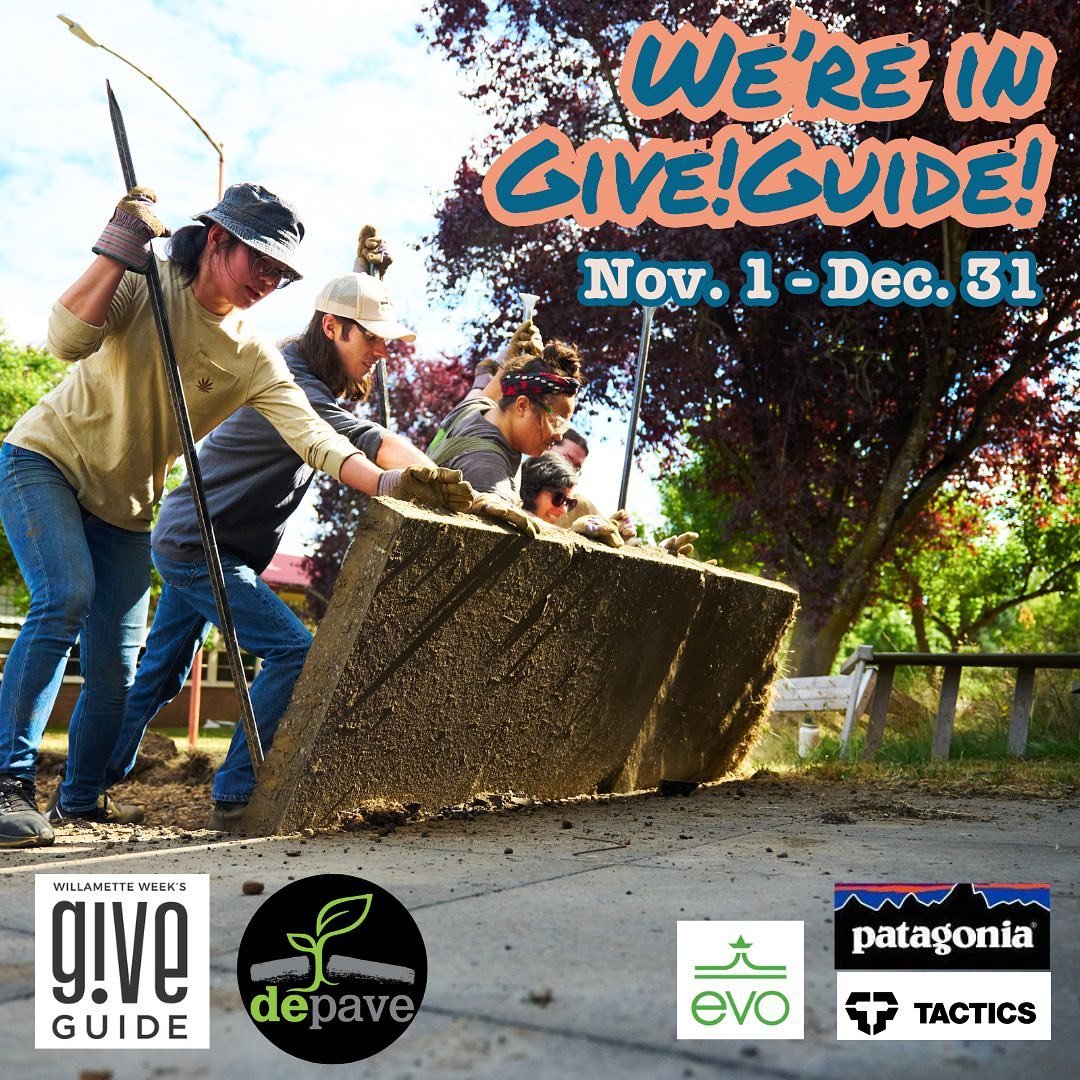
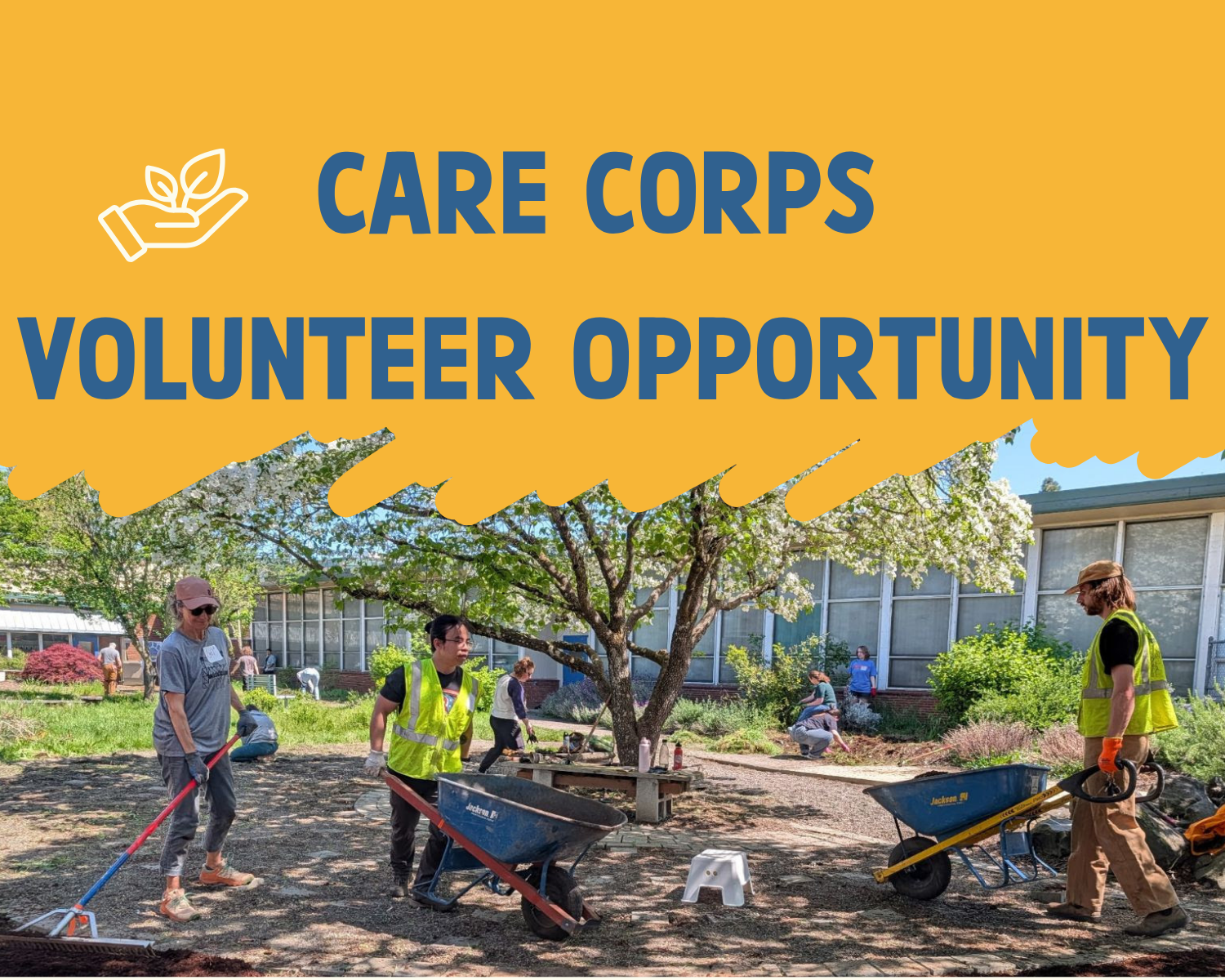
Volunteer at Depave events like pavement removal or planting work parties.
Join Crew Leader trainings and help lead volunteer teams.
Attend Depave 101 or webinars to learn more about the movement.
Become part of the Depave Network and access training and support.
Join our Green Thumb Maintenance Crew to make sure our gardens and greenspaces are thriving
-
Yes. Beyond hands-on projects, Depave advocates for equitable land-use policies that reduce parking requirements, legalize sustainable urban design strategies, and support climate adaptation initiatives that integrate green infrastructure.
-
Depave provides a variety of educational materials on this website, including a free “How to Depave” guide and links to tools on stormwater management, soil analysis, and funding sources for community projects.
-
Removing pavement:
Reduces stormwater runoff and associated pollution.
Cools urban heat islands through vegetation and shade.
Enhances soil health and carbon sequestration in urban soils.
Creates habitat for plants and wildlife.
Improves overall community well-being.
-
You can support their work through donations, sponsorships, or by participating in fundraising initiatives — all of which help fund community project planning, volunteer events, and greenspace transformations.